
NRG™ Transseptal Needle
Kategori ID: 4
Açıklama: The NRG Transseptal Needle delivers a short and highly focused radiofrequency energy pulse, enabling a precise and controlled transseptal puncture.
Explore product details
Why choose the NRG Transseptal Needle
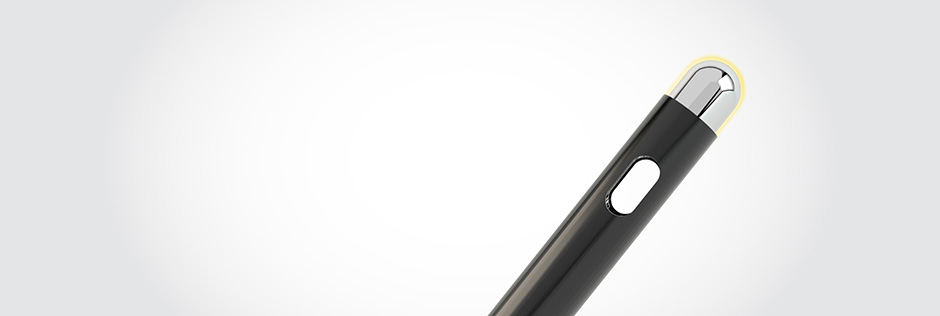
Be precise. Save time.™
Improve crossing success rates1-3 and reduce procedure time3,4 with the radiofrequency (RF) NRG Transseptal Needle
How it works
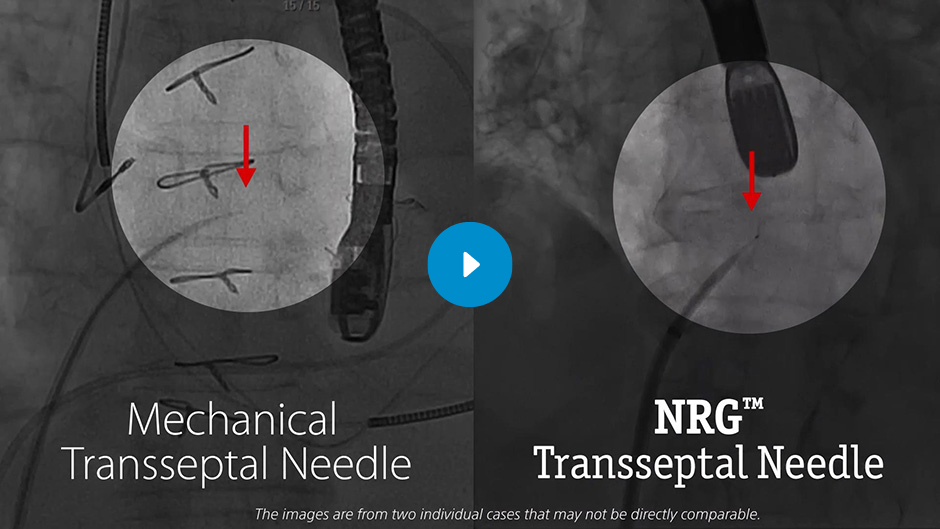
Clinical footage comparing the NRG Transseptal Needle to a mechanical transseptal needle
Results from case studies are not necessarily predictive of results in other cases. Results in other cases may vary.
Why choose the NRG Transseptal Needle
Clinical advantages*
Using RF energy for your transseptal puncture (TSP) saves time3,4, reduces the rate of serious complications1-6, and increases success rates as compared to mechanical alternatives.
Read the clinical analysis (PDF)
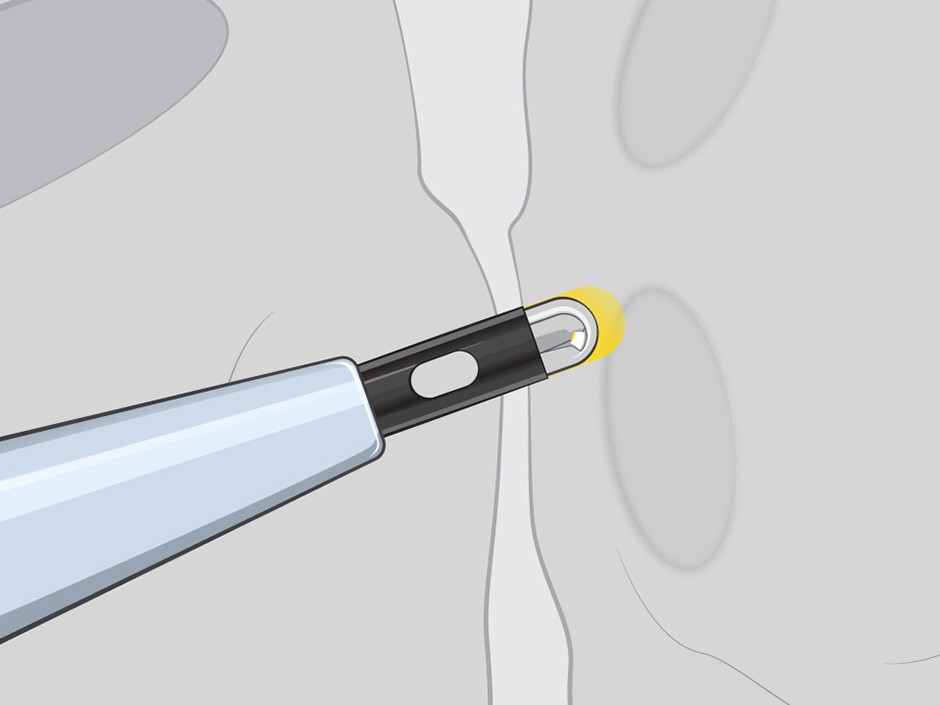
Cross difficult anatomies1
Cross aneurysmal septa while reducing excessive tenting3, and cross fibrotic septa while reducing mechanical force2

Lower risk of serious complications1,3-6
Reduce the rate of serious complications attributed to transseptal puncture with the use of a radiofrequency needle1,3-6
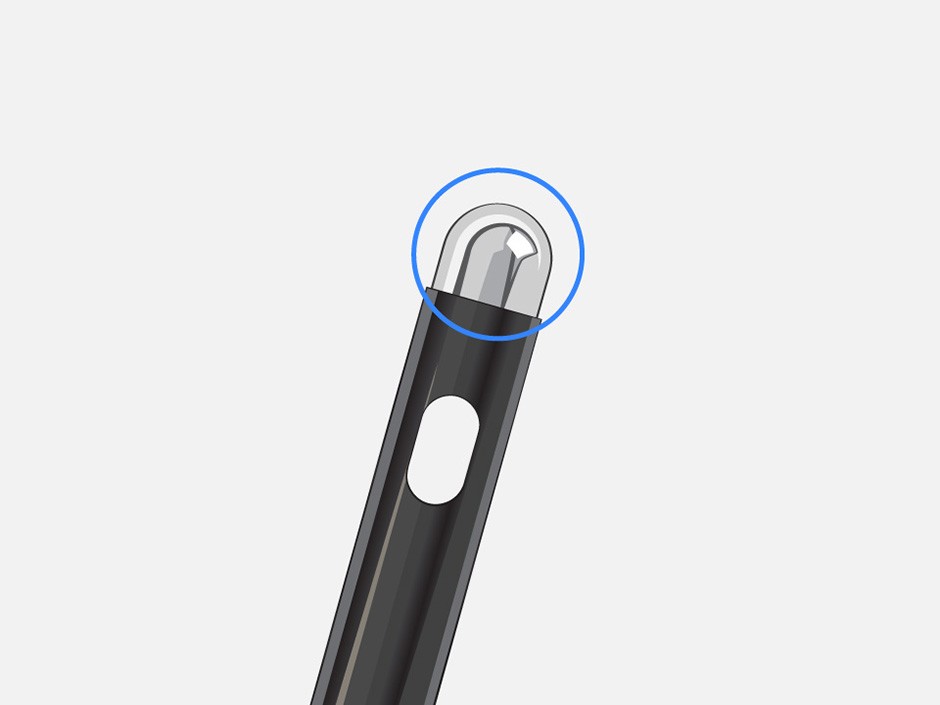
Cross with precision
Cross the septum at precise locations. Fine-tune your position with the rounded atraumatic tip prior to RF delivery.
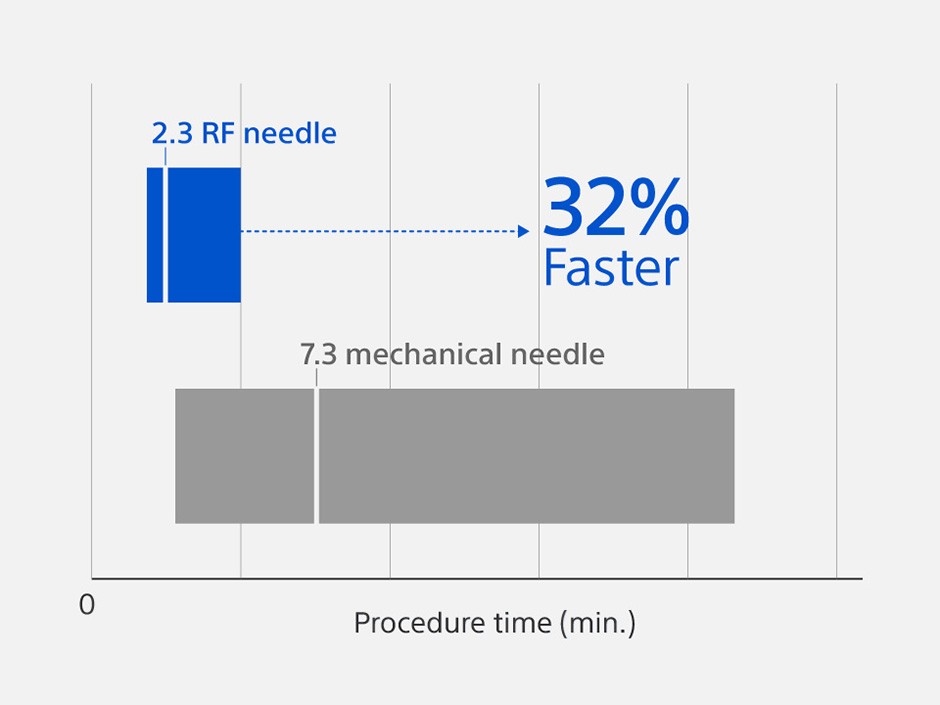
Save time
Experience a shorter, more predictable transseptal puncture time.2-4 Reduce fluoroscopy time for TSP3,5
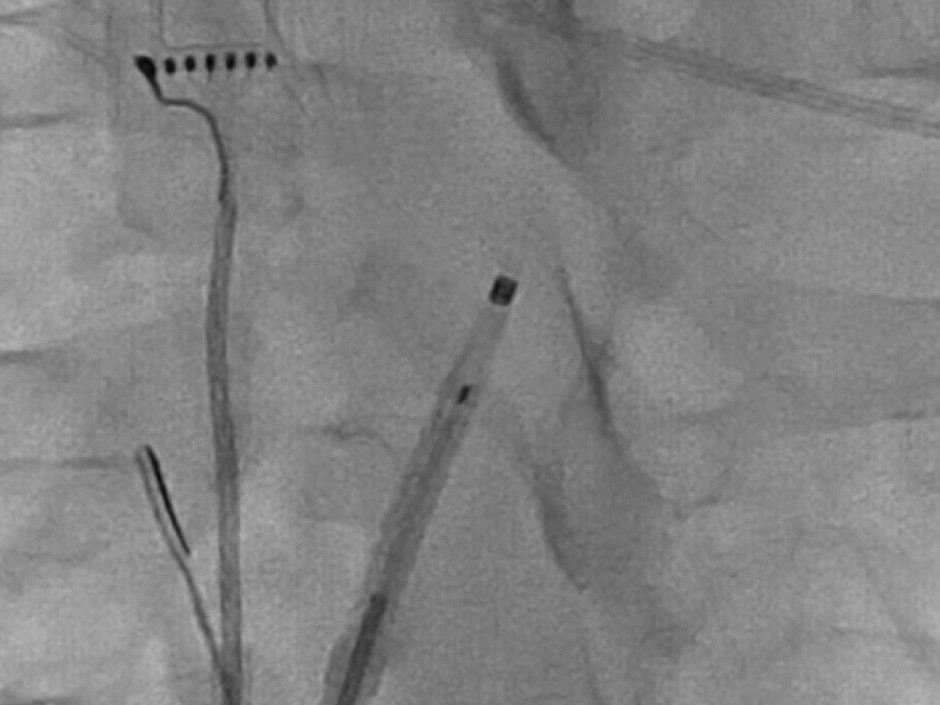
Visualize the RF needle
Locate the RF needle on your mapping system. Visualize the tip’s exact location with a radiopaque marker during fluoroscopy.
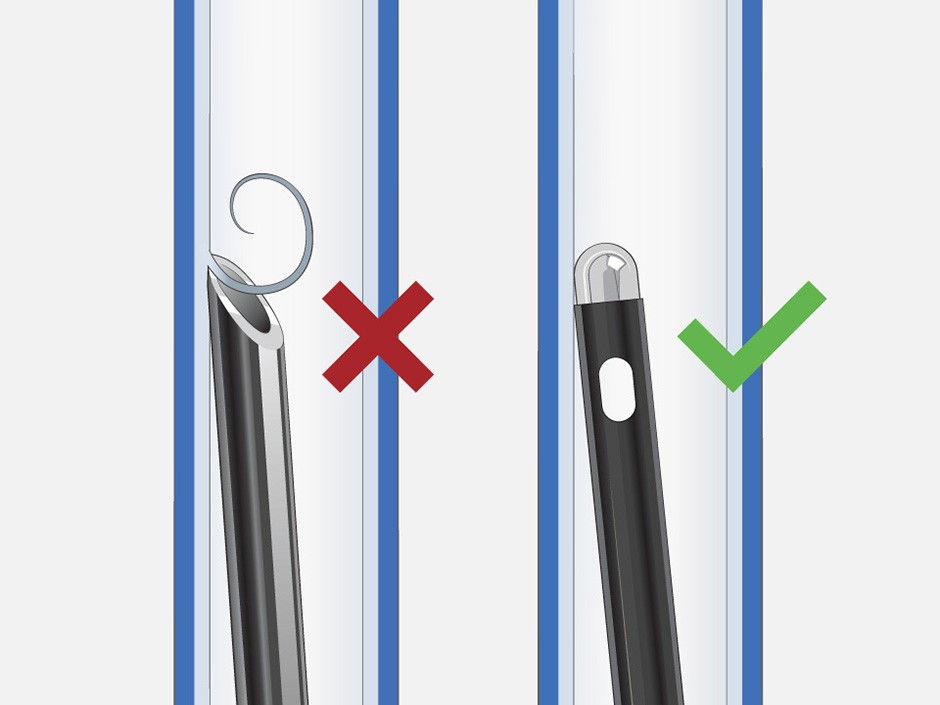
Reduce skiving
Reduce skiving risk when advancing through the sheath and dilator, with a rounded atraumatic tip†,5,7
Required product
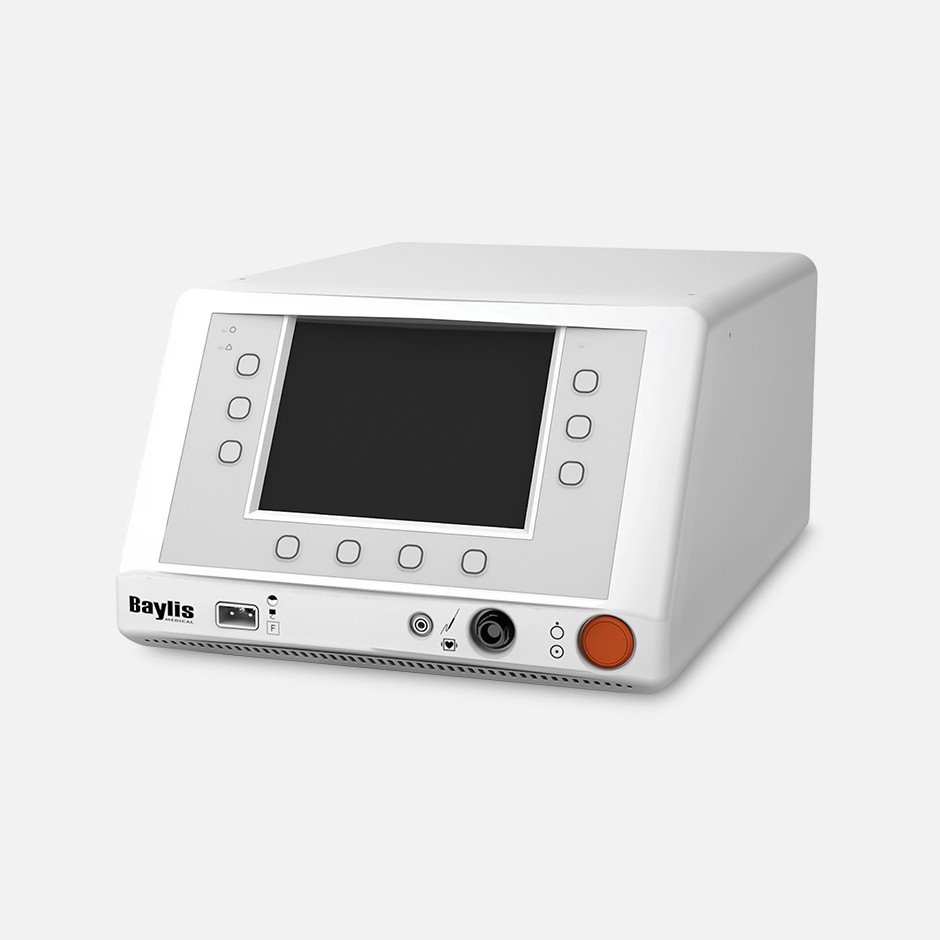
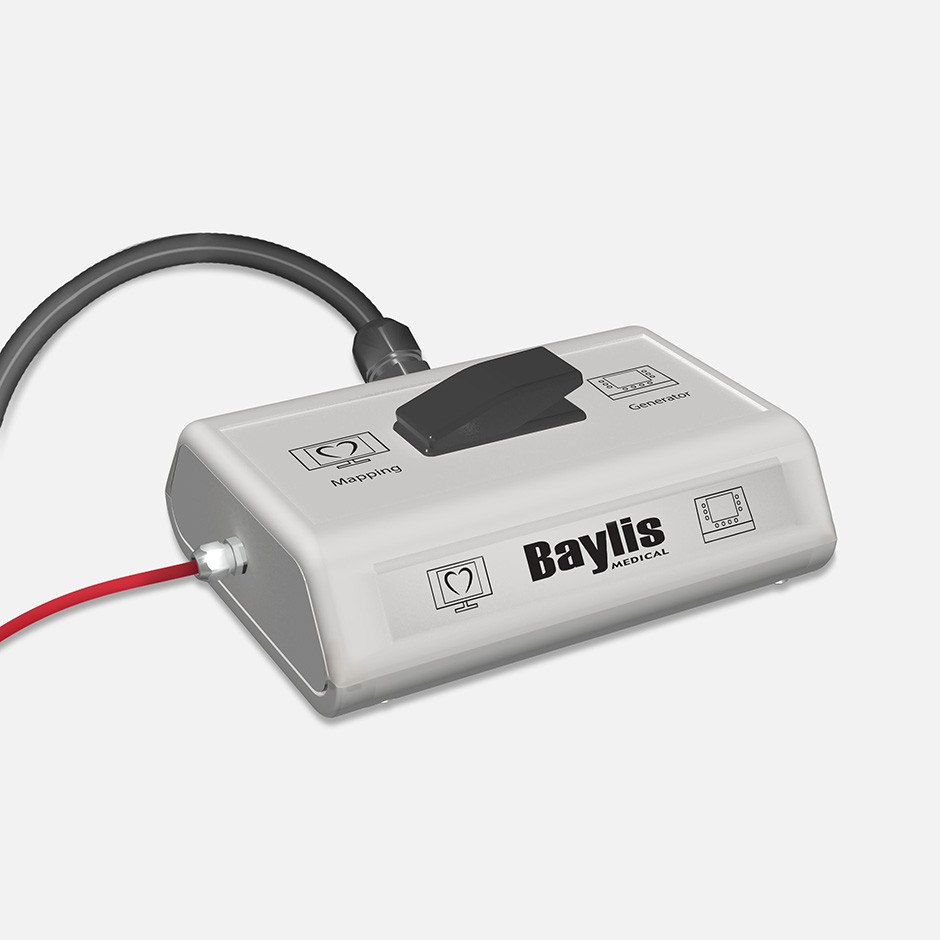
RFP-100A RF Puncture Generator**
Designed for controlled tissue puncture using radiofrequency energy
Related products
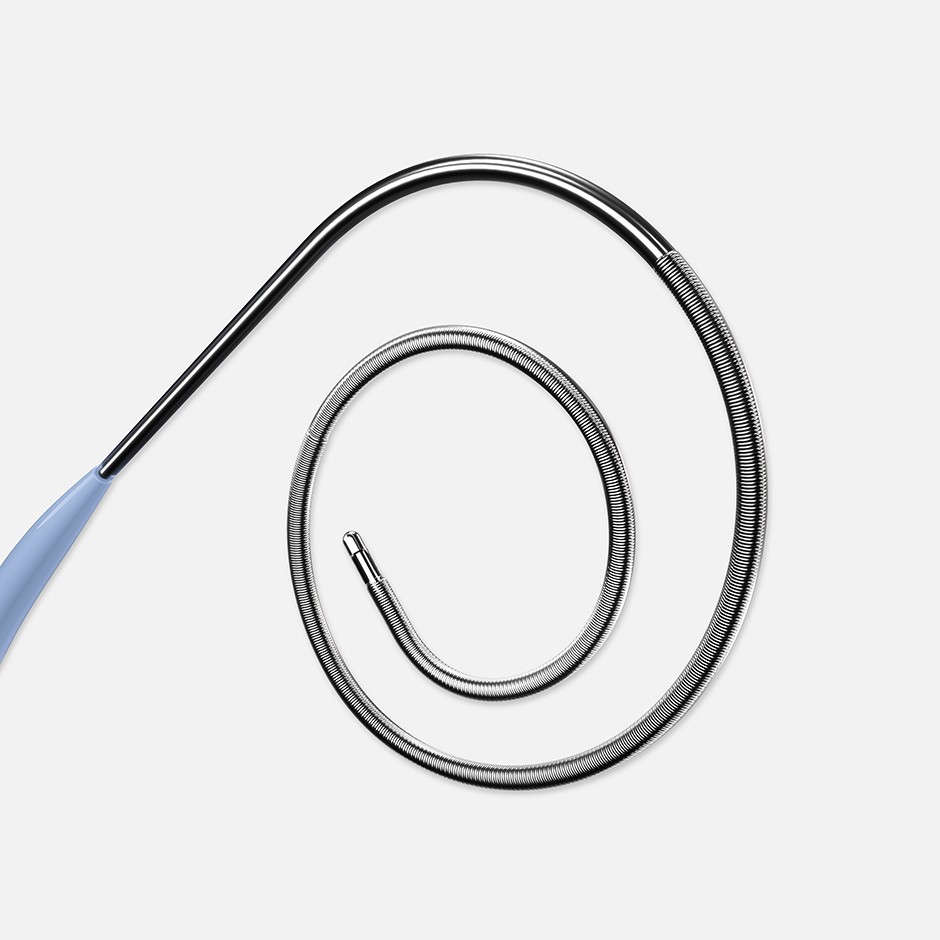
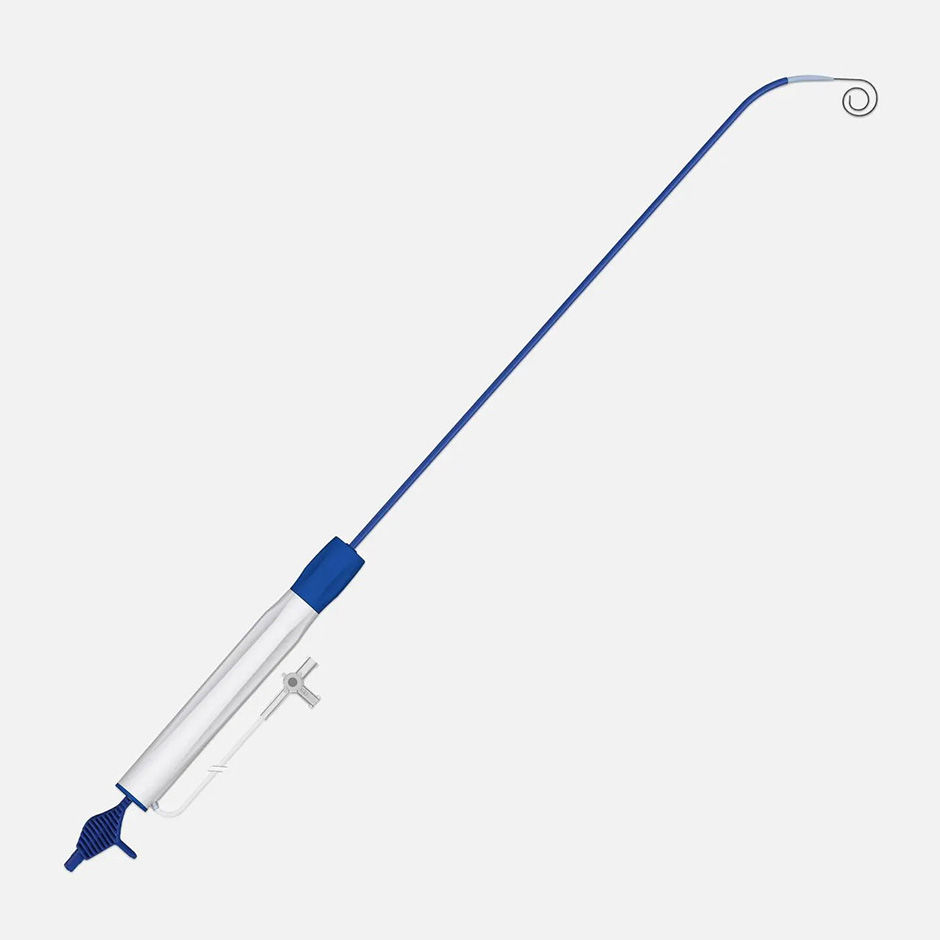
VersaCross™ Steerable Access
Solution
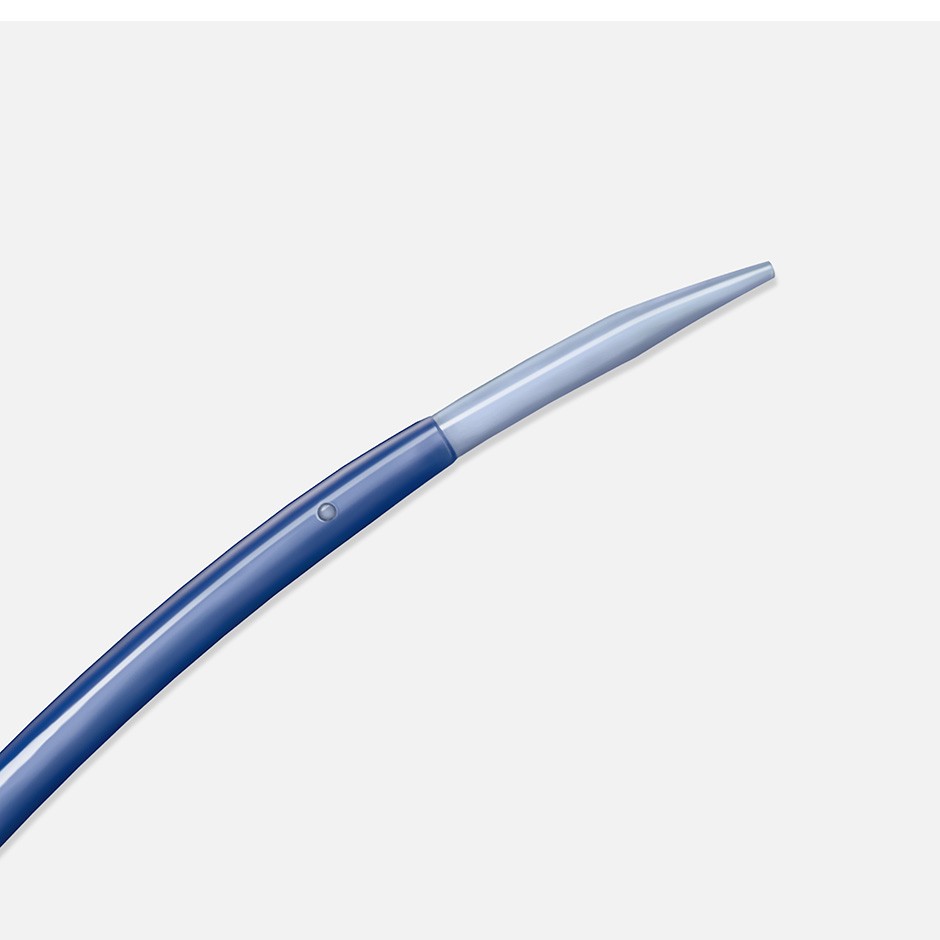
TorFlex™ Transseptal Guiding Sheath
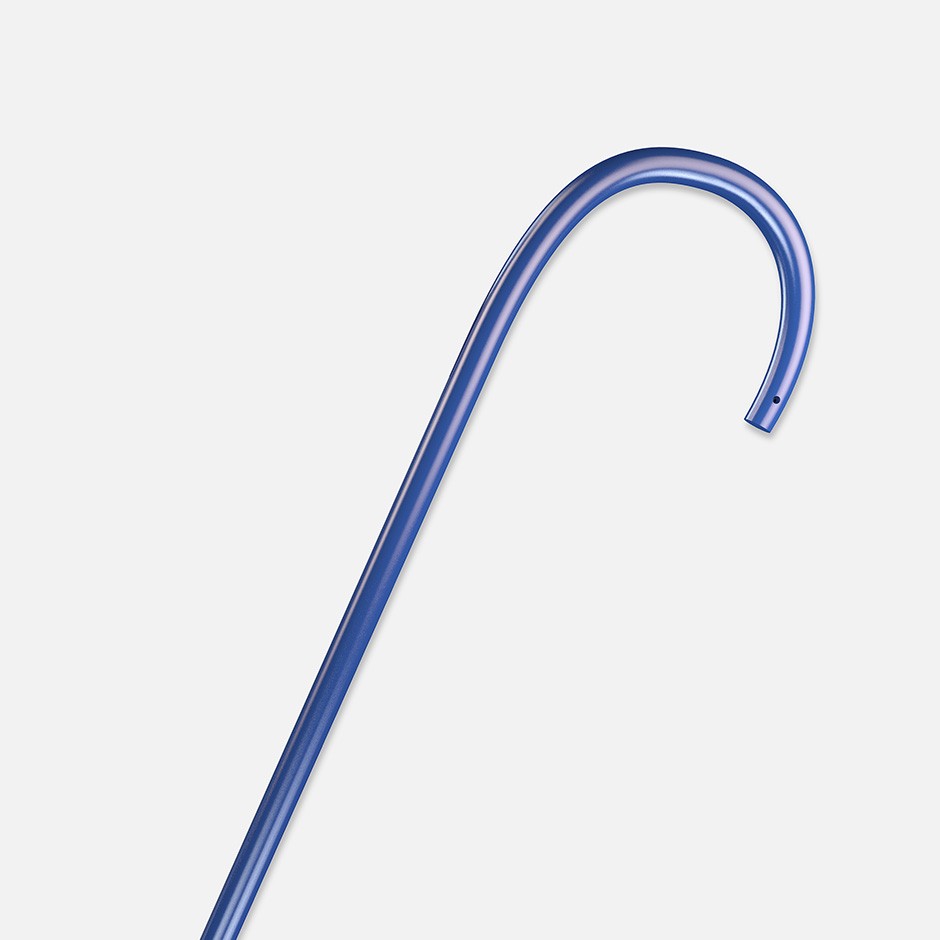
SureFlex™ Steerable Guiding Sheath
* All clinical claims in this section are supported by published literature; some claims are supported by study designs other than randomized controlled trials.
† In vitro study simulating transseptal catheterizations. Any particles generated from advancement of the transseptal needles through the sheath and dilator were collected and analyzed.
** Baylis Medical Company Radiofrequency Puncture Generator RFP-100A
§ Proximal gauge 19 ga, distal gauge 22 ga
1. Comparison of a radiofrequency powered flexible needle with a classic rigid brockenbrough needle for transseptal punctures in terms of safety and efficacy Jauvert G, et al. Heart Lung Circ. doi: 10.1016/j.hlc.2014.07.073
2. Randomized trial of conventional transseptal needle versus radiofrequency energy needle puncture for left atrial access (the TRAVERSE-LA Study) Hsu JC, et al. J Am Heart Assoc. doi: 10.1161/JAHA.113.000428
3. Prospective comparison between conventional transseptal puncture and transseptal needle puncture with radiofrequency energy Fromentin S, et al. J Interv Card Electrophysiol. doi: 10.1007/s10840-011-9564-2
4. The use of a radiofrequency needle improves the safety and efficacy of transseptal puncture for atrial fibrillation ablation Winkle RA, et al. Heart Rhythm. doi: 10.1016/j.hrthm.2011.04.032
5. Feasibility and safety of transseptal puncture procedures for radiofrequency catheter ablation in small children weighing below 30 kg: Single-centre experience Yoshida S, et al. Europace. doi: 10.1093/europace/euv383
6. Particle formation and risk of embolization during transseptal catheterization: Comparison of standard transseptal needles and a new radiofrequency transseptal needle Feld GK, et al. J Interv Card Electrophysiol. doi: 10.1007/s10840-010-9531-3
7. Initial experience using a radiofrequency powered transseptal needle Smelley MP, et al. J Cardiovasc Electrophysiol. doi: 10.1111/j.1540-8167.2009.01656.x
CAUTION: The law restricts these devices to sale by or on the order of a physician. Indications, contraindications, warnings, and instructions for use can be found in the product labelling supplied with each device or at www.IFU-BSCI.com. Products shown for INFORMATION purposes only and may not be approved or for sale in certain countries. This material not intended for use in France.